

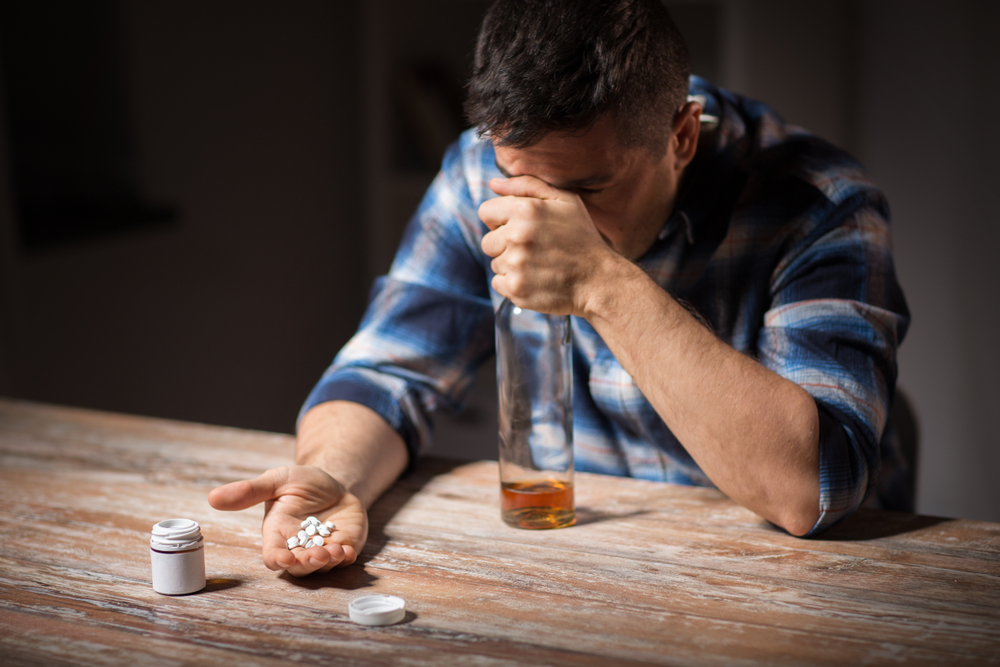
Opioid addiction is one of the most pressing public health challenges in the United States. For many people, breaking free from opioids is not simply a matter of willpower. Opioids alter brain chemistry in ways that make stopping use extremely difficult without comprehensive support. This is where MAT for opioid use disorder comes in. Medication-Assisted Treatment, often referred to as MAT, combines FDA-approved medications with behavioral therapies and counseling to create a holistic and highly effective path toward recovery. For those struggling with opioid use, MAT has been shown to reduce cravings, improve stability, and provide a foundation for long-term healing.
MAT for Opioid Use Disorder: How It Works
Medication-Assisted Treatment works by addressing both the biological and psychological aspects of addiction. Opioids like heroin, fentanyl, and prescription painkillers cause powerful physical dependence by attaching to receptors in the brain, creating euphoria, pain relief, and eventually, tolerance and withdrawal symptoms. Over time, the brain becomes rewired to crave opioids just to function normally.
MAT introduces carefully chosen medications that interact with the same receptors but in safer, more controlled ways. These medications stabilize brain chemistry, reduce or eliminate withdrawal symptoms, and minimize cravings. By doing so, MAT allows people to focus on recovery without being consumed by the physical drive to use opioids.
Importantly, MAT is not a “replacement” of one drug with another. Instead, it is a medical intervention designed to restore balance to brain function, giving individuals the clarity and stability they need to participate in counseling, rebuild relationships, and address the underlying issues contributing to addiction.
Benefits of Medication-Assisted Treatment for Opioids
MAT offers several key advantages that make it one of the most effective approaches for opioid addiction treatment.
- Reduction of Cravings and Withdrawal Symptoms
Withdrawal is often the biggest barrier to stopping opioid use. MAT medications significantly reduce withdrawal discomfort, which allows people to stay engaged in treatment instead of relapsing early in the recovery process. - Improved Retention in Treatment
Studies consistently show that people who participate in MAT are more likely to remain in treatment compared to those who attempt abstinence-only recovery. Retention is crucial because the longer someone stays in treatment, the better their chances of achieving lasting sobriety. - Lower Risk of Overdose
MAT reduces the likelihood of relapse and provides medications that block or blunt the euphoric effects of opioids. This lowers the risk of overdose, which is tragically common among those who return to opioid use after a period of abstinence. - Improved Overall Functioning
With cravings and withdrawal under control, people in MAT are better able to focus on work, family, and personal growth. This stability translates into improved quality of life and healthier communities. - Integration with Counseling and Therapy
MAT is most effective when combined with behavioral counseling. Therapy provides the emotional support and coping skills needed to sustain recovery beyond medication use.
Common Medications Used in MAT for Opioids
Several medications are approved for MAT, each working in different ways to support recovery:
- Methadone: A full opioid agonist that prevents withdrawal symptoms and reduces cravings by binding to opioid receptors in a controlled manner. Methadone has been used successfully for decades and is typically dispensed in specialized clinics.
- Buprenorphine (Suboxone, Subutex, Sublocade): A partial opioid agonist that activates receptors less strongly than full opioids, providing relief from cravings without producing a significant high. Buprenorphine is available through certified healthcare providers, making it more accessible than methadone for many patients.
- Naltrexone (Vivitrol): An opioid antagonist that blocks opioids from binding to receptors. Naltrexone prevents any opioid from producing euphoric effects. Unlike methadone and buprenorphine, it does not ease withdrawal but is effective at preventing relapse after detox.
Each medication has unique advantages, and treatment decisions depend on factors such as medical history, severity of addiction, and personal preference. A healthcare provider works with each individual to determine the most appropriate option.
Why MAT Improves Long-Term Recovery Outcomes
One of the most powerful arguments in favor of MAT is its proven ability to improve long-term recovery outcomes compared to other approaches.
Addiction is a chronic, relapsing condition. Without medical support, relapse rates are high. Many individuals cycle through repeated attempts to quit, which can increase the risk of overdose. MAT changes this trajectory by providing tools that stabilize brain chemistry and reduce the overwhelming urge to return to opioid use.
When combined with counseling and psychosocial support, MAT addresses both the biological and behavioral dimensions of addiction. This integrated approach allows individuals to develop new coping strategies, heal relationships, and build a sustainable recovery lifestyle.
How MAT Reduces Relapse in Opioid Use Disorder
Relapse is a common part of recovery, but MAT has been shown to significantly reduce relapse rates. Here’s how:
- Craving Control: By diminishing the compulsive desire to use opioids, MAT gives people the mental space to focus on their goals instead of constantly fighting urges.
- Withdrawal Management: Many relapses occur when withdrawal symptoms become unbearable. MAT eliminates or reduces these symptoms, lowering the likelihood of early relapse.
- Blocking Effects of Opioids: Medications like naltrexone ensure that even if a person uses opioids, they do not experience the euphoric high. This removes the “reward” associated with relapse.
- Encouraging Stability: With fewer ups and downs caused by withdrawal and cravings, individuals can establish daily routines that support long-term sobriety.
Research shows that patients on MAT are more likely to stay in treatment for extended periods, which directly correlates with better recovery outcomes and reduced rates of relapse.
Finding MAT Programs for Opioid Addiction
Accessing MAT begins with finding a qualified provider or program that can prescribe medications and provide ongoing support. Here are some steps to consider:
- Talk to a Healthcare Professional
A primary care doctor, addiction specialist, or mental health counselor can help evaluate whether MAT is appropriate and make referrals to local programs. - Look for Certified Providers
Buprenorphine, for example, can only be prescribed by clinicians with specialized training and certification. Methadone is dispensed through licensed clinics, and naltrexone is available by prescription. - Explore Community Resources
Many communities offer programs that integrate MAT with counseling, support groups, and case management services. - Consider Telehealth Options
With the rise of telehealth, some MAT services are now available virtually. This can increase access, especially in rural or underserved areas. - Evaluate the Supportive Services Provided
Effective programs go beyond medication. Look for services that include counseling, mental health support, relapse prevention planning, and family involvement.
Hope and Healing Through MAT
Opioid addiction can feel overwhelming, but recovery is possible with the right tools and support. Medication-Assisted Treatment offers a scientifically backed, compassionate approach that addresses the unique challenges of opioid use disorder. By combining medication with therapy and supportive care, MAT helps people regain control of their lives, reduce the risk of relapse, and build a foundation for lasting healing.
At Summit Counseling Services, we believe no one should face life’s hardest moments alone. Whether you’re navigating anxiety, depression, trauma, addiction, or family-related challenges, we’re here to offer compassionate, professional, and personalized support. We also provide mental health counseling that meets you where you are emotionally, physically, and logistically. With both in-person sessions and telehealth options available statewide, our goal is to make high-quality behavioral health care accessible, responsive, and genuinely supportive.
We understand that asking for help takes courage. That’s why we’ve created a welcoming, confidential space where you can feel safe to talk openly, explore your experiences, and work toward meaningful change. Remember: you don’t have to carry the weight alone, and you don’t have to have all the answers before you reach out. We’ll walk alongside you with empathy, expertise, and hope.
If you or someone you love is struggling with opioid use disorder, now is the time to take the first step. Reach out to us today and begin the journey toward healing and recovery.