

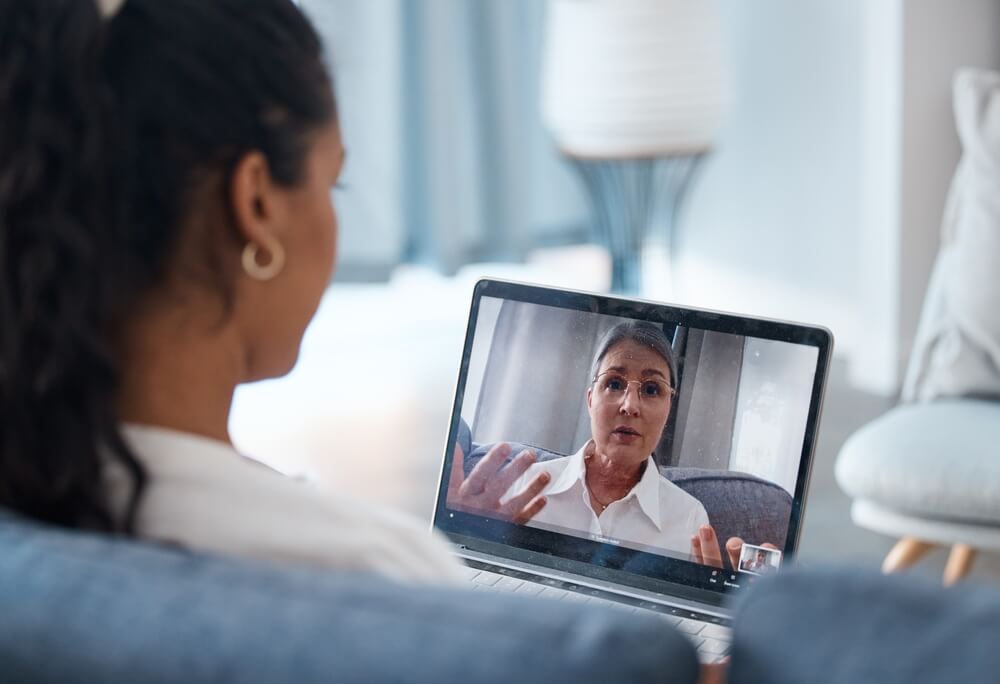
Over the past decade, mental health care has undergone a significant transformation. Advances in technology and the growing demand for accessible care have made virtual counseling increasingly common. As more people turn to telehealth for emotional support, a common question arises: Is online therapy effective for treating mental health conditions? Research shows that online therapy can be highly effective for many individuals, particularly when it is delivered by licensed professionals using evidence-based approaches. However, the effectiveness of online therapy can vary depending on personal circumstances, the type of mental health concern, and the level of engagement in treatment.
Online therapy, also called teletherapy or virtual counseling, allows individuals to connect with licensed therapists through secure video sessions, phone calls, or messaging platforms. This format offers convenience, privacy, and broader access to care. While it cannot replace every aspect of traditional therapy, it has become a valuable tool in modern mental health treatment. Understanding how online therapy works, what research says about its outcomes, and when it may or may not be appropriate can help individuals make informed decisions about their care.
Is Online Therapy Effective Compared to In-Person Care?
The effectiveness of therapy often depends less on the format and more on the quality of the therapeutic relationship and the methods used. Many studies have found that online therapy can produce outcomes comparable to traditional in-person counseling, particularly for common mental health concerns.
Evidence Supporting the Effectiveness of Online Therapy
A growing body of research supports the use of telehealth for mental health treatment. Studies conducted by universities, medical institutions, and mental health organizations consistently show that online therapy can achieve similar results to face-to-face therapy for many conditions.
Key findings from research include:
- Cognitive Behavioral Therapy delivered online has been shown to significantly reduce symptoms of anxiety and depression
- Teletherapy often improves treatment adherence because it removes barriers such as travel time and scheduling conflicts
- Many patients report high satisfaction with online therapy due to its convenience and accessibility
- Virtual therapy can increase access to specialists who may not be available locally
The COVID-19 pandemic accelerated the adoption of telehealth services and created a large-scale opportunity to evaluate its effectiveness. Research during this time showed that many clients experienced meaningful symptom improvement through virtual sessions. Therapists also reported that therapeutic rapport, trust, and emotional connection could still be developed effectively through video sessions.
In many cases, the benefits of online therapy extend beyond symptom relief. Virtual sessions allow clients to participate from the comfort of their own environment, which can sometimes make it easier to discuss sensitive topics. For individuals who feel anxious about visiting an office, teletherapy can provide a less intimidating entry point into treatment.
Conditions That Respond Well to Virtual Mental Health Treatment
While online therapy is not suitable for every situation, many mental health conditions respond well to virtual treatment. Research has shown strong outcomes for a variety of common concerns.
Conditions that often respond well to online therapy include:
- Anxiety disorders
- Depression
- Stress and burnout
- Mild to moderate trauma symptoms
- Relationship or family conflicts
- Life transitions and adjustment challenges
Therapeutic approaches such as Cognitive Behavioral Therapy, mindfulness-based therapies, and solution-focused therapy adapt well to virtual platforms. These approaches often involve structured conversations, skill-building, and reflection, which translate effectively to video sessions.
Online therapy can also be especially beneficial for individuals who face barriers to accessing traditional mental health services. For example:
- People living in rural or underserved areas
- Individuals with mobility limitations or chronic illness
- Busy professionals balancing demanding schedules
- Parents or caregivers who struggle to find childcare
By reducing logistical barriers, telehealth can make it easier for people to consistently attend therapy and stay engaged in the treatment process.
What Factors Influence Online Therapy Effectiveness
Although many people benefit from online therapy, its success depends on several important factors. Understanding these influences can help clients determine whether virtual therapy is likely to meet their needs.
The Therapeutic Relationship
One of the strongest predictors of successful therapy outcomes is the relationship between the client and therapist. Even in virtual settings, trust, empathy, and open communication remain essential.
A skilled therapist can build rapport through video sessions by:
- Creating a welcoming and supportive environment
- Maintaining clear and attentive communication
- Encouraging collaboration in setting goals
- Providing consistent feedback and encouragement
Clients who feel comfortable with their therapist are more likely to engage fully in the therapeutic process, regardless of whether sessions occur online or in person.
Technology and Privacy
Reliable technology plays a key role in the effectiveness of online therapy. A stable internet connection, a secure telehealth platform, and a quiet, private environment can significantly improve the quality of sessions.
Important considerations include:
- Having a confidential space where conversations cannot be overheard
- Using a device with a strong internet connection and clear audio
- Ensuring the platform meets privacy and security standards
When technical disruptions occur frequently, they can interrupt the flow of therapy and reduce engagement.
Client Readiness and Engagement
Therapy works best when clients actively participate in the process. Virtual counseling still requires reflection, openness, and commitment.
Clients who tend to benefit most from online therapy often:
- Attend sessions consistently
- Practice coping skills or exercises between sessions
- Communicate openly about their experiences
- Remain motivated to work toward personal goals
When clients approach therapy with curiosity and willingness, virtual sessions can be just as meaningful as in-person meetings.
When Online Therapy May Not Be the Best Option
Despite its many advantages, online therapy does have limitations. Certain mental health situations may require in-person care or additional levels of support.
Situations Where Face-to-Face Therapy Is Recommended
In some circumstances, traditional in-person therapy may provide better outcomes or safer care.
Face-to-face therapy may be recommended for:
- Severe mental health crises or active suicidal thoughts
- Severe substance use disorders requiring structured treatment
- Complex trauma that requires intensive therapeutic approaches
- Individuals who lack access to reliable internet or private space
- Situations involving serious psychiatric conditions that require close monitoring
In-person therapy can allow therapists to observe body language and subtle behavioral cues that may be harder to notice through video. Some therapeutic methods also rely on physical presence or environmental interaction that cannot easily be replicated online.
Additionally, individuals experiencing acute mental health emergencies may need immediate in-person intervention or crisis services. Teletherapy is not intended to replace emergency care when someone is in immediate danger.
Personal Preferences and Communication Style
Some people simply feel more comfortable meeting with a therapist in person. Nonverbal communication, physical presence, and the structure of an office environment can enhance the therapeutic experience for certain individuals.
Factors that may influence preference include:
- Difficulty focusing during video calls
- Feeling disconnected through digital communication
- Challenges creating privacy at home
- A stronger sense of comfort with face-to-face interaction
Mental health care is not one-size-fits-all. For some individuals, a hybrid model that combines in-person and virtual sessions may offer the best balance of flexibility and connection.
FAQ About Online Therapy
Is online therapy as effective as in-person therapy?
For many mental health conditions, such as anxiety and depression, research shows that online therapy can produce outcomes similar to in-person therapy when delivered by a licensed professional.
What types of therapy work best online?
Cognitive Behavioral Therapy, mindfulness-based therapies, and solution-focused therapy are particularly effective in virtual formats.
Is online therapy private and secure?
Most professional telehealth platforms use encrypted technology that protects client confidentiality. It is important to work with licensed providers who follow privacy regulations.
Can online therapy help with serious mental health conditions?
Online therapy can help manage many conditions, but severe crises or high-risk situations may require in-person treatment or specialized care.
How do I know if online therapy is right for me?
If you have reliable internet access, a private space for sessions, and feel comfortable communicating through video, online therapy may be a good option.
Find Support with Summit Counseling Services
Taking the first step toward mental health support can feel intimidating, but you do not have to face life’s challenges alone. At Summit Counseling Services, we believe everyone deserves compassionate, professional care during difficult moments. Whether you are navigating anxiety, depression, trauma, addiction, or family-related challenges, our team is here to support you with personalized guidance and understanding.
We provide mental health counseling designed to meet you where you are emotionally, physically, and logistically. With both in-person sessions and telehealth options available statewide, we strive to make high-quality behavioral health care accessible, responsive, and supportive for every client we serve.
We also understand that asking for help takes courage. That is why we have created a welcoming and confidential environment where you can speak openly, explore your experiences, and begin working toward meaningful change.
You do not have to carry the weight alone, and you do not need to have everything figured out before reaching out. Our team will walk alongside you with empathy, professional expertise, and hope.
If you are ready to take the next step in your mental health journey, contact us to learn more about our services or schedule an appointment today. Support is available, and healing is possible.